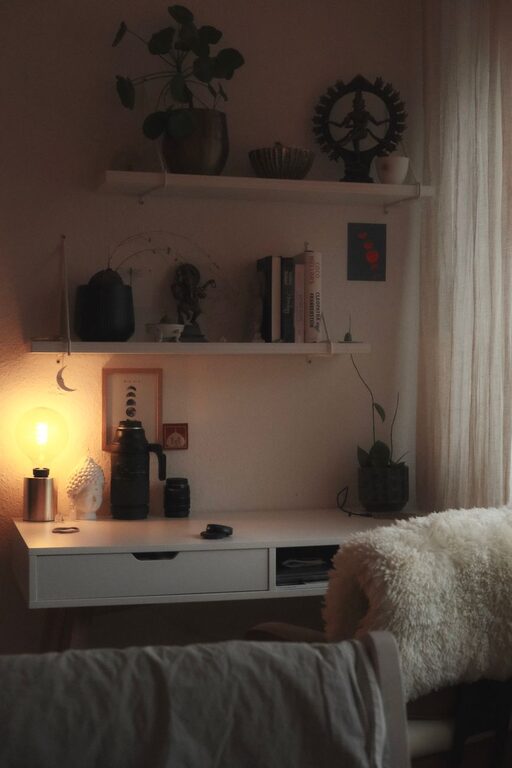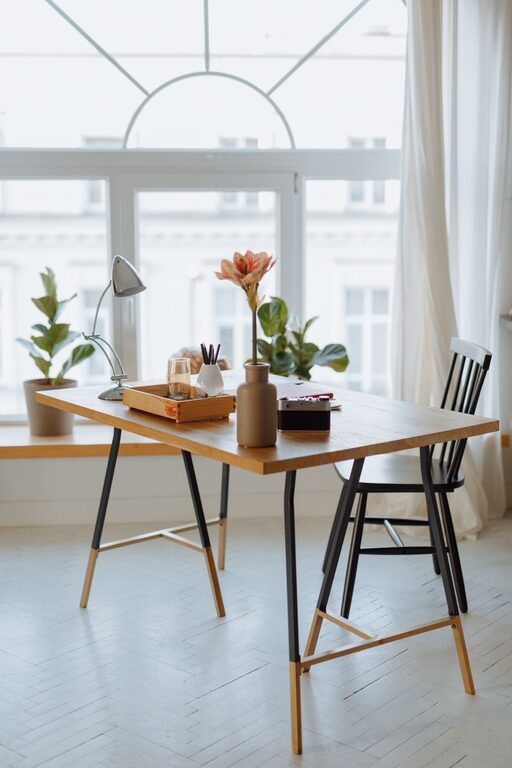
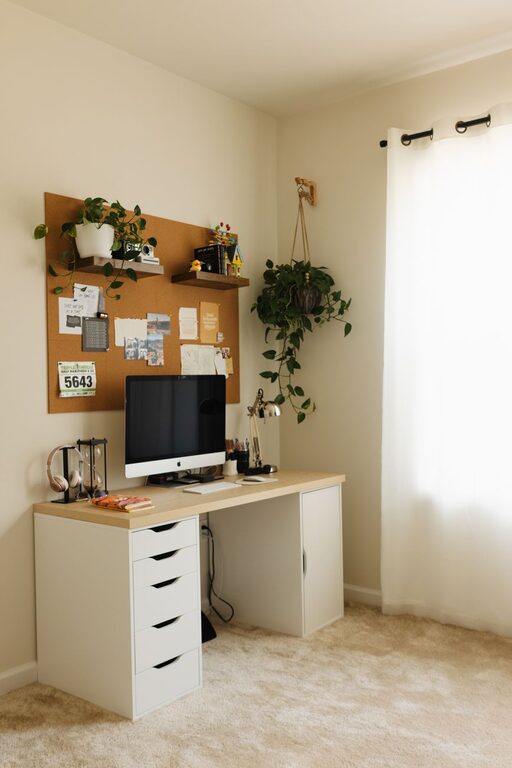
Creating a home workspace that balances coziness and productivity is essential for anyone working or studying from home. Your environment plays a significant role in how focused and motivated you feel throughout the day. Whether you have a dedicated room or just a corner, the right setup can make all the difference.
In this post, we’ll explore practical tips to help you create a workspace that feels inviting yet keeps distractions at bay.
1. Choose the Right Location
Start by selecting a spot in your home where you can work comfortably without too many interruptions.
– Natural Light: Aim for a space near a window to benefit from daylight, which boosts mood and alertness.
– Low Traffic: Pick a quiet corner away from busy areas like the kitchen or living room to minimize noise and distractions.
– Space Considerations: Ensure there is enough room for your desk, chair, and any tools or devices you need.
If space is tight, even a small nook can work with the right setup.
2. Invest in Comfortable Furniture
Your furniture choices impact both comfort and productivity.
– Supportive Chair: Choose an ergonomic chair that supports your back and encourages good posture.
– Desk Height: Work at a desk or table that allows your arms to rest comfortably and your screen to be at eye level.
– Adjustability: Consider adjustable desks or monitor stands to customize your setup.
Comfortable furniture reduces physical strain, helping you stay focused longer.
3. Optimize Lighting
Good lighting reduces eye strain and creates a pleasant atmosphere.
– Layered Lighting: Use a combination of natural light, overhead lights, and task lamps.
– Avoid Glare: Position screens to minimize glare from windows or lamps.
– Warm Light Bulbs: Soft, warm lighting can create a cozy ambiance during late hours.
Proper lighting supports your work and enhances your mood.
4. Keep It Organized
A tidy workspace can improve concentration and reduce stress.
– Declutter Daily: Spend a few minutes at the end of each day putting things away.
– Storage Solutions: Use shelves, drawers, and boxes to keep supplies organized.
– Minimalism: Only keep essential items on your desk to maintain a clean surface.
Organized spaces help your brain stay clear and ready to work.
5. Personalize Your Space
Adding personal touches makes your workspace feel inviting.
– Plants: Small plants improve air quality and add a touch of nature.
– Artwork or Photos: Choose pieces that inspire or relax you without overwhelming the space.
– Colors: Incorporate colors that energize or calm you, such as blues or greens.
Personalized touches can boost your mood and creativity.
6. Manage Noise Effectively
Noise can be a major distraction, so managing sound is important.
– Noise-Canceling Headphones: Useful if your environment is noisy.
– Background Music: Some find light instrumental music helps focus.
– Soundproofing: Rugs, curtains, and cushions can dampen sound.
Choose what works best for your concentration levels.
7. Incorporate Break Spaces
Even in small setups, designating a spot to take short breaks can improve productivity.
– Comfortable Chair or Cushion: A place away from your desk to relax.
– Stretch Area: Keep space for simple stretches or breathing exercises.
– Hydration: Keep a water bottle nearby to stay refreshed.
Regular breaks help maintain energy and reduce burnout.
8. Use Technology Wisely
Technology can both aid and distract you, so use it mindfully.
– Cable Management: Keep cords neat to avoid clutter.
– Productivity Tools: Use apps or devices that help organize and remind you of tasks.
– Tech-Free Zones: Consider times or areas where you disconnect from devices to reduce fatigue.
Balancing tech use can enhance your work experience.
—
Creating a cozy and productive home workspace is a personal journey, but blending comfort with efficiency will lead to better focus and satisfaction. Start with these tips, make adjustments to fit your needs, and enjoy a space where you can thrive.