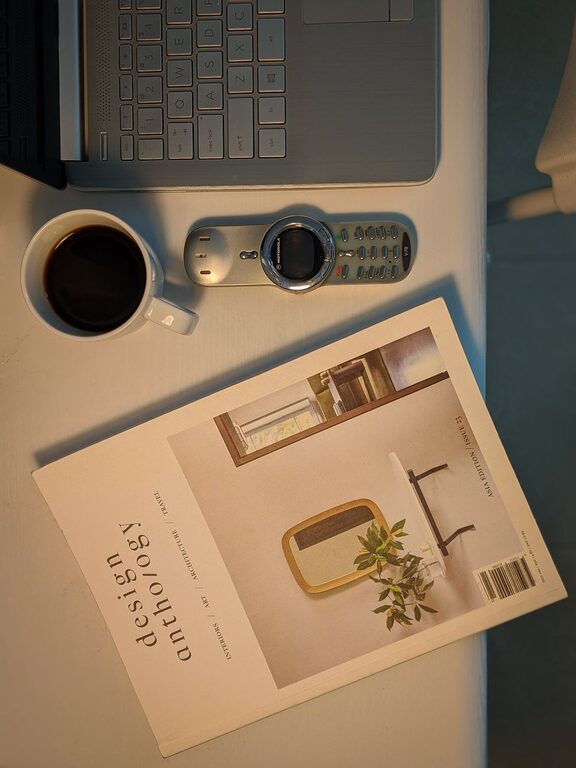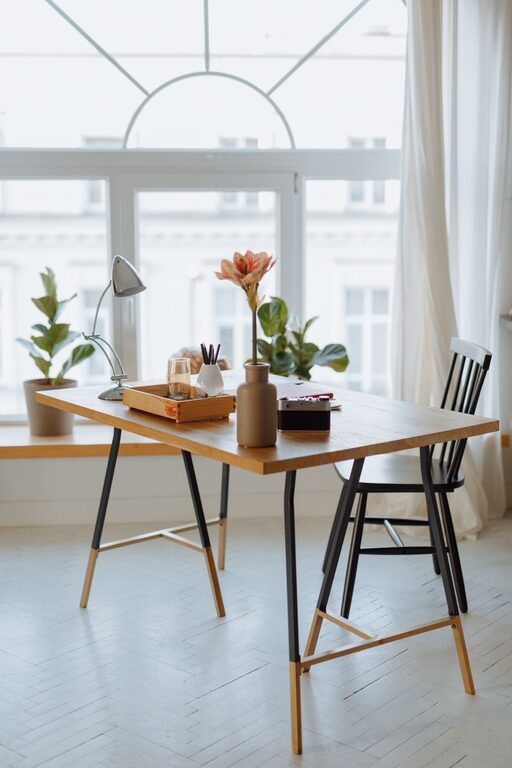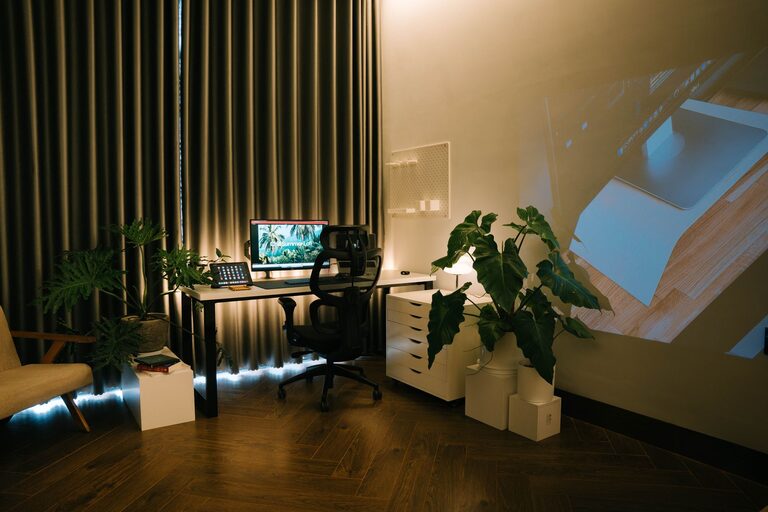
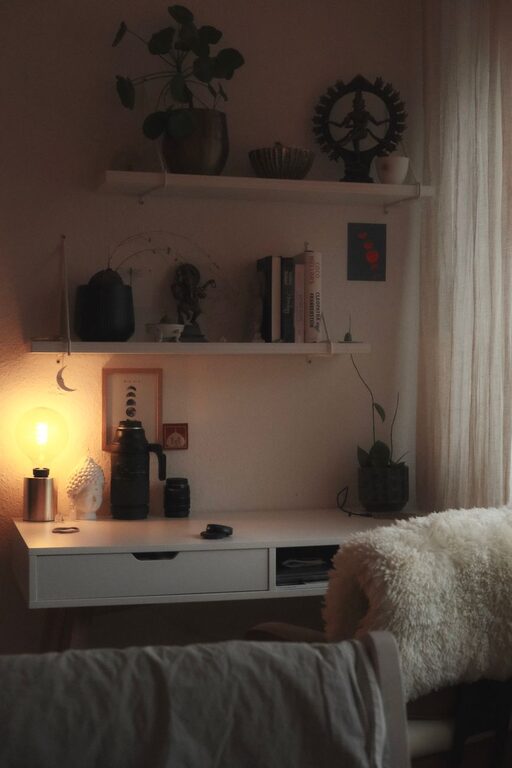
Creating a home workspace that feels both relaxing and productive can greatly improve your work-from-home experience. A well-designed environment not only boosts your focus but also helps reduce stress. Whether you’re new to remote work or looking to refresh your current setup, these tips will guide you in creating a comfortable and efficient workspace that supports your daily tasks.
Why a Relaxing Workspace Matters
Your workspace influences how you work. A cluttered or uncomfortable environment can lead to distractions, decreased motivation, and fatigue. On the other hand, a calming space encourages creativity, concentration, and a positive mindset. By thoughtfully arranging your home office, you can create a balance between comfort and functionality.
Choose the Right Location
Find a Quiet Spot
Start by selecting a place in your home that is quiet and free from distractions. If possible, pick a room with a door to separate your work area from the rest of the house. If space is limited, use room dividers or curtains to create a distinct zone.
Consider Natural Light
Natural light helps improve mood and energy levels. Position your desk near a window to take advantage of daylight, but avoid glare on your computer screen. If natural light is limited, use soft, warm artificial lighting that mimics daylight.
Ergonomic Furniture Matters
Invest in a Quality Chair
A supportive chair is essential for maintaining good posture and preventing discomfort. Look for adjustable chairs that support your lower back and allow your feet to rest flat on the floor.
Select a Functional Desk
Your desk should be large enough to hold your essential work tools and allow space for writing or other tasks. Adjustable desks or standing desks can provide flexibility and reduce strain from sitting too long.
Personalize Your Workspace
Use Soothing Colors
Choose calming colors such as soft blues, greens, or neutral tones. These shades can create a peaceful atmosphere and reduce stress.
Add Greenery
Plants not only improve air quality but also add a touch of nature—a proven way to relax and boost mood. Easy-care plants like succulents, pothos, or snake plants can thrive indoors with minimal effort.
Include Personal Touches
Incorporate items that make you feel comfortable and inspired, such as artwork, photos, or meaningful objects. Just be careful not to overcrowd your desk with too many items.
Organize for Efficiency
Declutter Regularly
Keep your workspace tidy by removing unnecessary items. A clutter-free desk helps you stay focused and reduces mental distractions.
Use Storage Solutions
Invest in organizers, shelves, or drawers to keep supplies neatly arranged and within easy reach. Labeling containers can also speed up your workflow.
Manage Cables
Tidy cables with clips or cord organizers to prevent a messy look and avoid tangling.
Minimize Distractions
Set Boundaries
Communicate your work hours to family or housemates. Using signs or setting “do not disturb” signals can help reinforce these boundaries.
Control Noise
Consider noise-cancelling headphones or background music to block distractions. White noise apps or calming instrumental playlists can also promote concentration.
Incorporate Relaxation Elements
Take Breaks
A relaxing workspace encourages you to take short breaks. Use a comfortable chair or cushion nearby where you can stretch or meditate briefly.
Use Aromatherapy
A subtle scent like lavender or eucalyptus can promote relaxation. Use an essential oil diffuser or scented candles safely to enhance the ambiance.
Lighting for Comfort and Focus
Avoid Harsh Lighting
Bright overhead lights can cause eye strain. Use desk lamps with adjustable brightness and direction to provide focused lighting for tasks.
Embrace Warm Tones
Warmer light tones are easier on the eyes, especially in the evening. Consider bulbs labeled “soft white” or “warm white” for a soothing effect.
Keep Technology User-Friendly
Optimize Screen Position
Place your monitor at eye level to avoid neck strain. Position screens about an arm’s length away to reduce eye fatigue.
Limit Notifications
Turn off non-essential notifications during focused work periods to prevent interruptions.
Final Thoughts
Creating a relaxing home workspace is about blending comfort with productivity-enhancing features. By selecting the right spot, organizing efficiently, and personalizing your environment, you can build a space that supports your work and wellbeing. Remember, the goal is to design a place where you feel calm, focused, and ready to tackle your tasks each day.
Start small and adjust your workspace over time. The benefits of a peaceful and productive home office can make a lasting difference in how you work and feel.