
Creating a relaxing home office environment is essential for maintaining focus, reducing stress, and enhancing productivity while working from home. A well-designed workspace can make a significant difference in your daily work routine, helping you stay motivated and comfortable throughout the day. Whether you’re new to remote work or looking for ways to improve your existing setup, these tips will guide you in creating a serene and efficient home office.
Choose a Quiet, Dedicated Space
One of the first steps to creating a relaxing home office is selecting a quiet and dedicated area. This helps separate work from personal life and signals your brain that this specific space is meant for focus and productivity.
– Find a low-traffic area: Choose a room or corner away from household distractions such as the TV or kitchen.
– Designate the space: Even if you don’t have a separate room, a specific desk or nook that you use only for work can help create mental boundaries.
Prioritize Natural Light and View
Natural light not only improves your mood but also reduces eye strain, making it an essential part of a relaxing workspace.
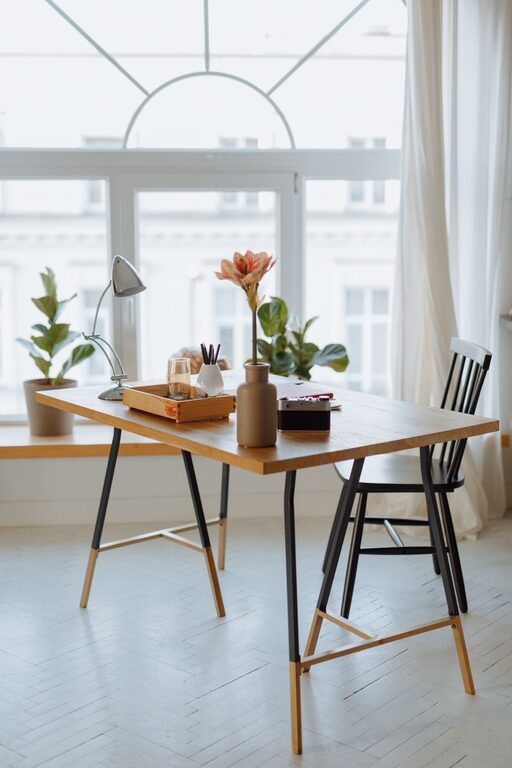
– Place your desk near a window: This allows sunlight to brighten your space and offers a view of the outdoors, which can relieve stress.
– Use sheer curtains: These can soften the light while maintaining brightness.
– Add plants: Indoor plants near your workspace bring a touch of nature indoors and help purify the air.
Invest in Comfortable Furniture
Comfort is critical when spending hours working at a desk. Investing in ergonomic furniture supports your posture and minimizes physical discomfort.
– Ergonomic chair: Choose an adjustable chair that supports your lower back and promotes good posture.
– Adjustable desk: Consider a sit-stand desk, which allows you to change positions and reduce fatigue.
– Organized desk surface: Keep only essential items on your desk to avoid clutter and improve efficiency.
Control Lighting to Reduce Eye Strain
In addition to natural light, thoughtful artificial lighting can enhance comfort and prevent headaches and tired eyes.
– Use adjustable desk lamps: Opt for lamps with adjustable brightness and direction.
– Avoid glare: Position screens and lights to prevent direct glare on your monitor.
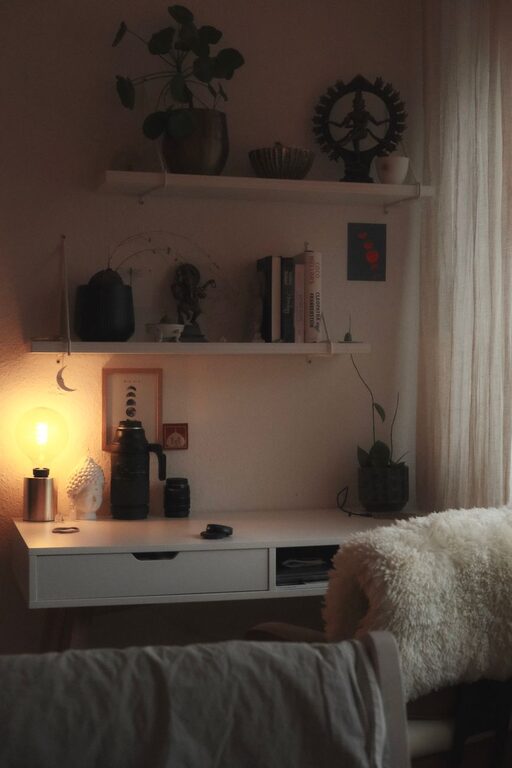
– Choose warm light bulbs: They create a cozy atmosphere and are easier on the eyes compared to stark, cool lighting.
Maintain a Clean and Organized Workspace
A clutter-free workspace promotes a calm mind and reduces distractions.
– Declutter regularly: Set aside time each week to tidy up your desk and file papers.
– Use storage solutions: Baskets, drawers, or shelves keep supplies organized and out of sight.
– Limit personal items: While a few meaningful decorations are nice, avoid overcrowding your workspace with unrelated items.
Incorporate Calming Colors and Decor
Colors can influence mood and concentration, so choose your color scheme thoughtfully.
– Soft, muted tones: Shades like light blue, green, beige, or gray create a soothing environment.
– Personal touches: Add artwork or photos that inspire and relax you without causing distraction.
– Natural materials: Wood, wicker, or stone décor can add texture and warmth to your space.
Manage Noise Levels
Noise can disrupt focus and increase stress, so managing sound is crucial for a relaxing home office.
– Noise-canceling headphones: A great solution if you can’t control the ambient noise.
– White noise machines: These help mask distracting sounds and create a consistent auditory environment.
– Soft furnishings: Curtains, rugs, and cushions absorb sound and reduce echo in the room.
Set a Comfortable Temperature and Air Quality
Your comfort extends beyond your desk and chair to the general environment of the room.
– Maintain moderate temperature: Neither too hot nor too cold helps you stay comfortable.
– Ventilate frequently: Fresh air revitalizes your workspace and your mind.
– Use an air purifier: If needed, this can reduce allergens and improve air quality.
Plan Break Areas and Movement
Taking breaks is essential for mental and physical well-being during long work hours.
– Create a separate spot: Designate an area apart from your desk where you can stretch, meditate, or relax.
– Incorporate standing or walking: Use a timer to remind yourself to stand or move every hour.
Establish a Routine for Work-Life Balance
Finally, designing a relaxing home office isn’t just about the physical space but also about habits.
– Set a schedule: Regular work hours promote consistency.
– Create start and end rituals: Such as morning coffee by your desk or shutting your computer at the end of the day.
– Limit distractions: Turn off notifications and communicate boundaries with family members.
—
By applying these simple yet effective tips, you can transform your home office into a relaxing, pleasant place that supports your productivity and well-being. Small changes in your workspace can have a big impact on your work-from-home experience, making it both enjoyable and efficient.