Creating a relaxing home workspace is essential for maintaining productivity and well-being, especially as many people continue to work remotely or spend significant time at home. A space that promotes comfort and focus can help reduce stress and improve your ability to complete tasks efficiently. Whether you have a dedicated room or a small corner in your living area, these tips will guide you in designing an inviting and productive workspace.
Choose the Right Location
Finding the ideal spot for your workspace is the foundation of creating a comfortable and effective work area. Consider these factors when selecting your location:
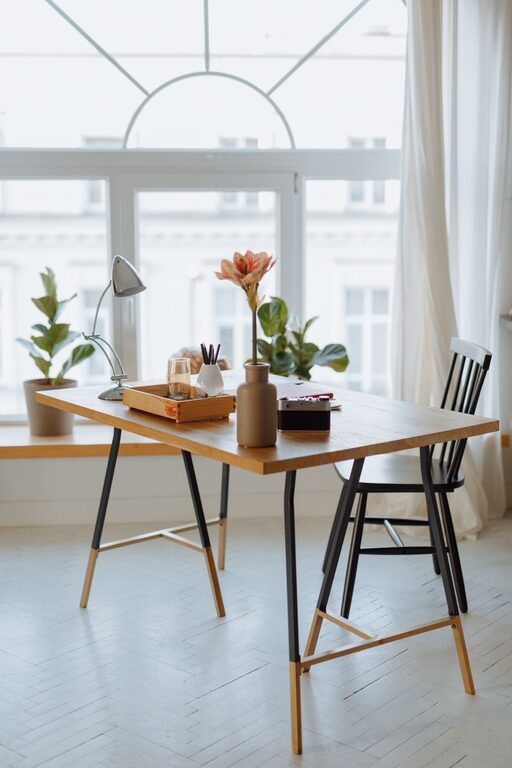
– Natural Light: Position your desk near a window to benefit from natural sunlight, which can boost mood and energy.
– Quiet Environment: Choose a place with minimal noise and distractions to help maintain focus.
– Adequate Space: Ensure there is enough room for your computer, supplies, and comfortable seating.
If space is limited, look for unused corners or underutilized areas that can be transformed into a work nook.
Invest in Comfortable Furniture
Comfort is key to sustaining productivity throughout the day. Here’s what to consider regarding furniture:
– Ergonomic Chair: Select a chair that supports your back and allows your feet to rest flat on the floor.
– Appropriate Desk Height: Your desk should enable your forearms to rest comfortably while typing.
– Adjustability: Consider adjustable desks or chairs, especially if you prefer alternating between sitting and standing.
Comfortable furniture will prevent fatigue and promote better posture.
Declutter and Organize
A clutter-free environment helps clear your mind and reduces stress. Use these strategies to maintain organization:
– Storage Solutions: Utilize shelves, drawers, and organizers to keep supplies within reach but out of sight.
– Minimalist Desk: Keep only essential items on your desk surface to avoid distractions.
– Cable Management: Use clips, sleeves, or under-desk trays to keep cords neat and untangled.
Regularly tidying your workspace can make a big difference in comfort and efficiency.
Add Soothing Elements
Incorporating calming features into your workspace can enhance relaxation and focus:
– Plants: Adding greenery can improve air quality and create a peaceful atmosphere.
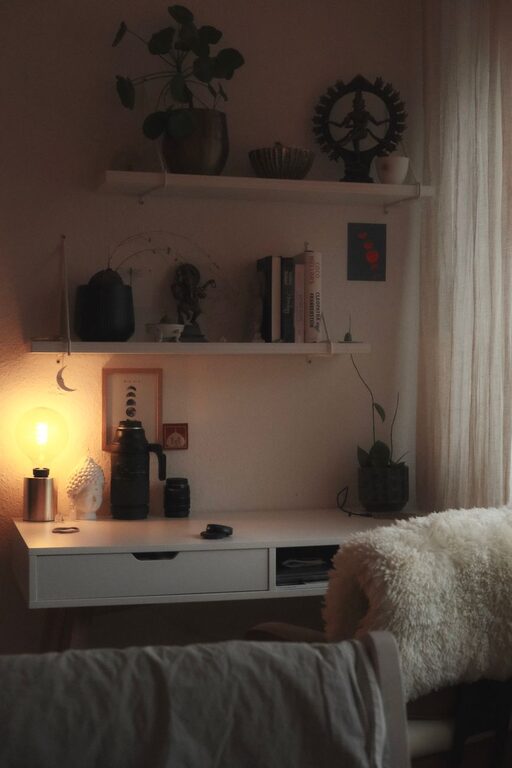
– Soft Lighting: Use desk lamps or floor lamps instead of harsh overhead lights for a gentler ambiance.
– Personal Touches: Display artwork, photos, or objects that inspire and motivate you without causing clutter.
These elements help personalize your space and make it inviting.
Control Noise and Distractions
Limiting noise and interruptions is crucial for concentration. Here are some tips:
– Noise-Canceling Headphones: Use these to block out background noise, especially in busy households.
– White Noise Machines or Apps: These can create a consistent sound environment that masks sudden noises.
– Set Boundaries: Communicate your work schedule to household members to reduce interruptions.
Creating a quiet environment allows you to maintain steady focus.
Establish a Routine and Comfort Habits
Your workspace should support daily habits that enhance comfort and productivity:
– Break Reminders: Use timers or apps to prompt you to take short breaks, stretch, or move around.
– Hydration Station: Keep a water bottle nearby to stay hydrated throughout the day.
– Temperature Control: Adjust your room temperature or have a fan/heater handy to maintain comfort.
Simple routines can boost your energy and prevent burnout.
Optimize Technology and Equipment
Ensure your technology setup supports your workflow smoothly:
– Reliable Internet Connection: A strong and stable connection reduces frustration during virtual meetings and tasks.
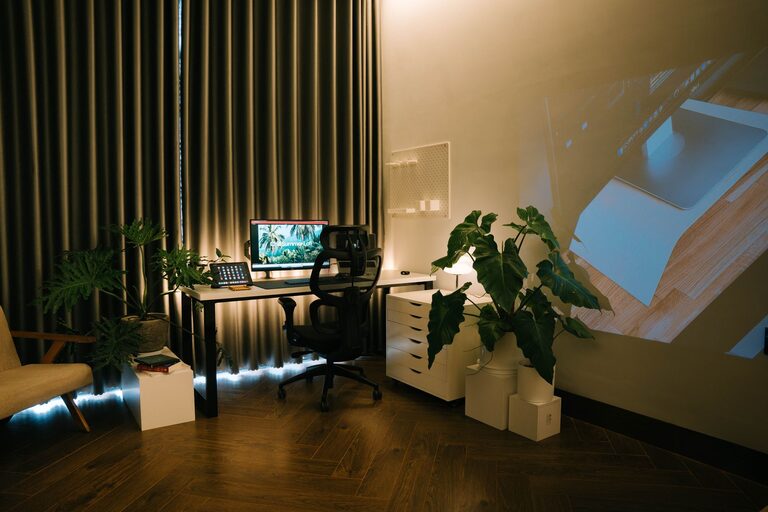
– External Monitor and Keyboard: These can reduce strain and improve ergonomics compared to laptop-only setups.
– Regular Maintenance: Keep your devices updated and free from clutter for optimal performance.
Having reliable tools helps maintain productivity and reduces stress.
Final Thoughts
Designing a relaxing home workspace is about balancing function and comfort. By choosing the right location, investing in quality furniture, maintaining organization, adding soothing touches, and managing distractions, you can create an environment that supports both your productivity and well-being. Small changes can have a significant impact—start with one or two tips and build your ideal workspace over time. Creating a dedicated and calming work area helps you approach your tasks with greater focus and less stress, making work-from-home days more enjoyable and effective.